Pinnacles–Our Newest National Park

Hi everyone! We have a lot of catching up to do so let’s get started.  Last December a friend and I visited Pinnacles National Park, California, our newest National Park. Pinnacles is the fifth smallest park encompassing approximately 26,606 acres. It is about 50 miles inland from the coast and 80 miles south of San Jose in the Gabilan Mountain Range. It is also only a few miles west of the San Andreas Fault which we’ll talk of later.

In 2003 Pinnacles joined the California Condor Recovery Program when the bird was close to extinction. The park currently co-manages 86 wild condors in central California. It is also home to a number of threatened species including bats, amphibians, and reptiles. I sure hope we see a condor today on our walk to the pinnacles! Check out the green rock used to make the welcome sign.  We’ll discuss geology as we go and, of course, the famous fault.

Entrance

Let’s go, lots to see . . .

Slickrock, Arches, and Sentinels–Utah’s Red Rocks

Last May 1st I hiked in Utah’s amazing Kodachrome Basin State Park. It’s time I shared this beautiful walk with you. The national parks in Utah are fantastic, but I was awed by the less crowded state parks. They offer such beauty with an up-close-and-personal feel. Today we’ll walk the 1.7 mile loop called Shakespeare Arch-Sentinel Trail. Come along into red rock country!

Watch your step . . .

Back At You! Walking Along the Missouri River

Hello everyone! It has been a hectic four plus months and I’ve missed you! Yes, I’m still alive, still taking pictures, and still heading into the wilderness. The biggest change is I’ve gone back to school working toward a second Master’s degree. OK, this is a lot of work, and since I’m retired I sometimes ask: WHY? Well, because I’m a life-long learner and can’t help myself.

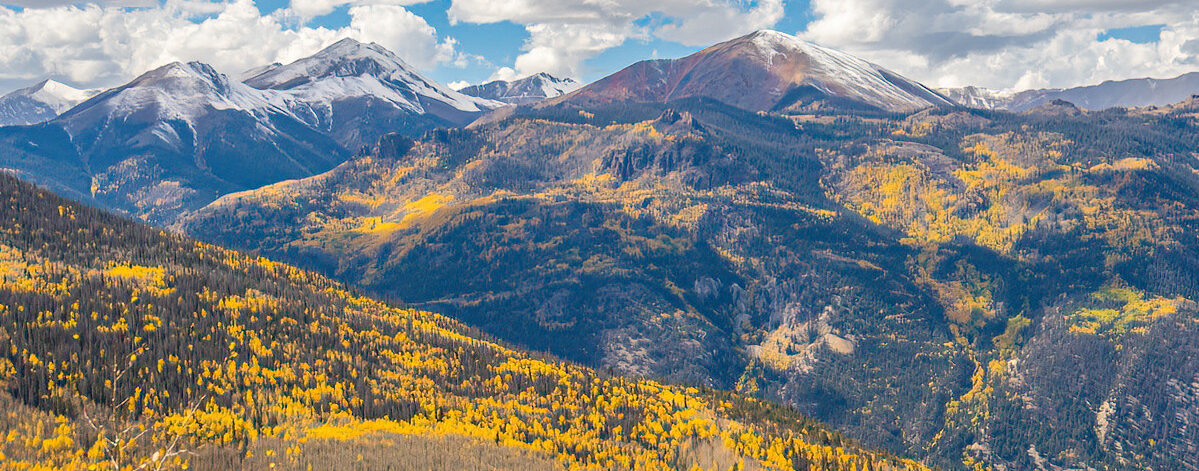
So in my crazy, busy, demanding new school life, I “escaped” one morning to visit a place I love close by. We have walked here before, Missouri River Headwaters State Park. This day I arrived before sunrise to soak in the pre-dawn beauty, the glorious sun coming over the mountains, and the autumn landscape.

Come on along . . .

SNAP*Shot: The Marvelous Monument Plant

What are those tall stalks growing in the meadows? Do you see them? Let’s explore.

This four- foot stalk is covered with small flowers, and the flowers are green with purple dots. They look more like they belong in subtropic areas of the world, not the meadows of Yellowstone. So unusual and so beautiful.

This is a Green Gentian (Frasera speciosa), also called the Monument Plant, and is monocarpic. No, I didn’t know what that was either, but it thoroughly explains this unique plant. Green gentian can live to be 80 years old, but each year of its life all you see are the pretty basal leaves growing a few feet tall and reaching to the sky until . . .

. . . the last year of its life when it produces a stalk from 4 to 7 feet tall covered with beautiful small  flowers. The flowers range from pale green to white with purple or blue dots, but I’ve only ever seen the flowers in shades of green. This is the  “monument” phase. Each flower produces up to 60 seeds ensuring the next generation. The plant then dies leaving the dead stalk which may stand a few years, as you can see above.

So “monocarpic” means growing many years without flowering, then flowering and dying after its seeds are developed. We may see many stalks across a meadow or only a few, but the stalks tell us that this is the last hoorah of this amazing monument plant.